Loading...
Please wait while we load the content...

Loading...
Please wait while we load the content...
Loading...
Please wait while we load the content...
Explore peer - reviewed titles across the humanities and social sciences - rigorous research, fresh perspectives, and scholarship that inspires dialogue across disciplines.
Stay informed about our latest publications, calls for proposals, author news, events, and special announcements.
Join our community of scholars, librarians, authors, and readers and receive the latest updates from Vernon Press directly in your inbox.

From special discounts and global distribution partners to downloadable catalogs, flyers, and high-resolution covers, we make it easy to enrich your library’s collection. Access bibliographic data, explore subject-specific listings, and stay updated on forthcoming titles.
Become part of our librarian network and access dedicated tools, discounts, and resources to support collection development and promote new titles to your patrons.

Partner with Vernon Press to provide your customers with high-quality, peer-reviewed scholarship. We offer flexible ordering options, reseller agreements, and promotional materials to support your sales and outreach.

Vernon Press provides dedicated resources to help instructors adopt our books for courses and to support students with affordable access to high-quality scholarship. From desk and examination copies to tailored student editions, we aim to make our titles accessible in the classroom.
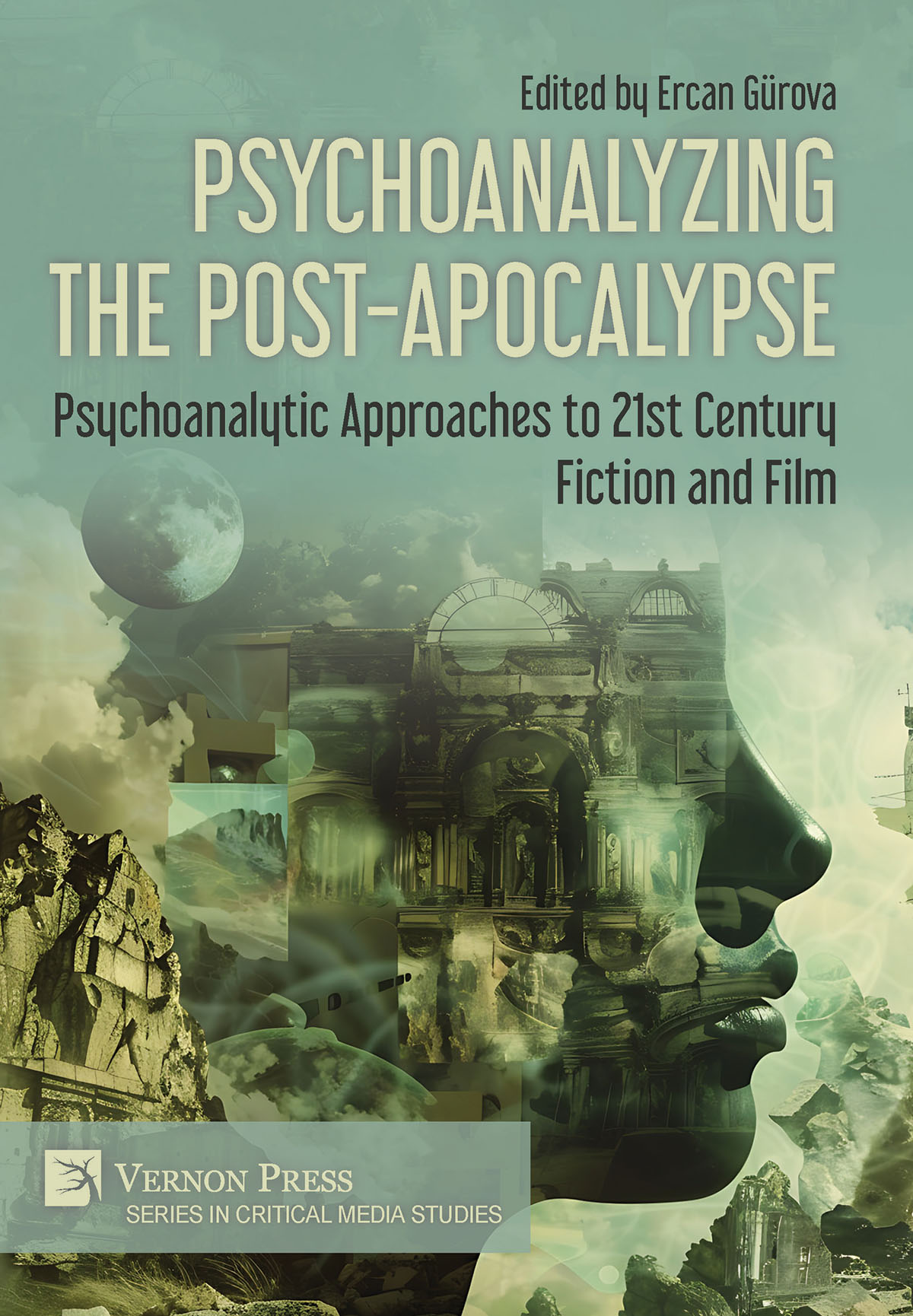
Psychoanalytic Approaches to 21st Century Fiction and Film
Edited by: Ercan Gürova (Ankara University, Turkey)
‘Psychoanalyzing the Post-Apocalypse: Psychoanalytic Approaches to 21st Century Fiction and Film’ offers an interdisciplinary exploration of contemporary post-apocalyptic literature and cinema through psychoanalytic theory. Bringing together studies of major novels, films, and television series, the volume demonstrates how Freudian, Lacanian, Jungian, and post-Lacanian perspectives illuminate recurring themes such as trauma, desire, mourning, identity, repression, survival, and psychic renewal in worlds shaped by catastrophe. The collection distinguishes itself by applying diverse psychoanalytic frameworks to a broad range of twenty-first-century texts, including "Oryx and Crake," "The Stone Gods," "Station Eleven," "War of the Worlds," "Vesper," "The Road," "The Leftovers," and "2012". Rather than offering generalized discussions of apocalypse, each chapter provides a theoretically grounded analysis of a specific work, revealing how narratives of collapse reflect contemporary anxieties while also imagining new forms of subjectivity, ethical relations, and resilience. Positioned at the intersection of psychoanalytic criticism, literary studies, film studies, and cultural theory, the volume advances current scholarship by foregrounding the psychological dimensions of post-apocalyptic storytelling and demonstrating the versatility of psychoanalytic approaches in interpreting ecological, technological, and existential crises. It contributes an original perspective to the growing body of research on post-apocalyptic fiction by integrating multiple psychoanalytic traditions across diverse media and cultural contexts. The book will serve as a valuable resource for researchers, graduate students, and advanced undergraduates in literature, film, media, psychoanalysis, and cultural studies. It is equally suitable for classroom adoption in courses on contemporary fiction, speculative literature, adaptation, and critical theory, while offering scholars a methodological framework for future interdisciplinary research on apocalypse and the human psyche.
Edited by: Brian Gran (Case Western Reserve University)
No description available
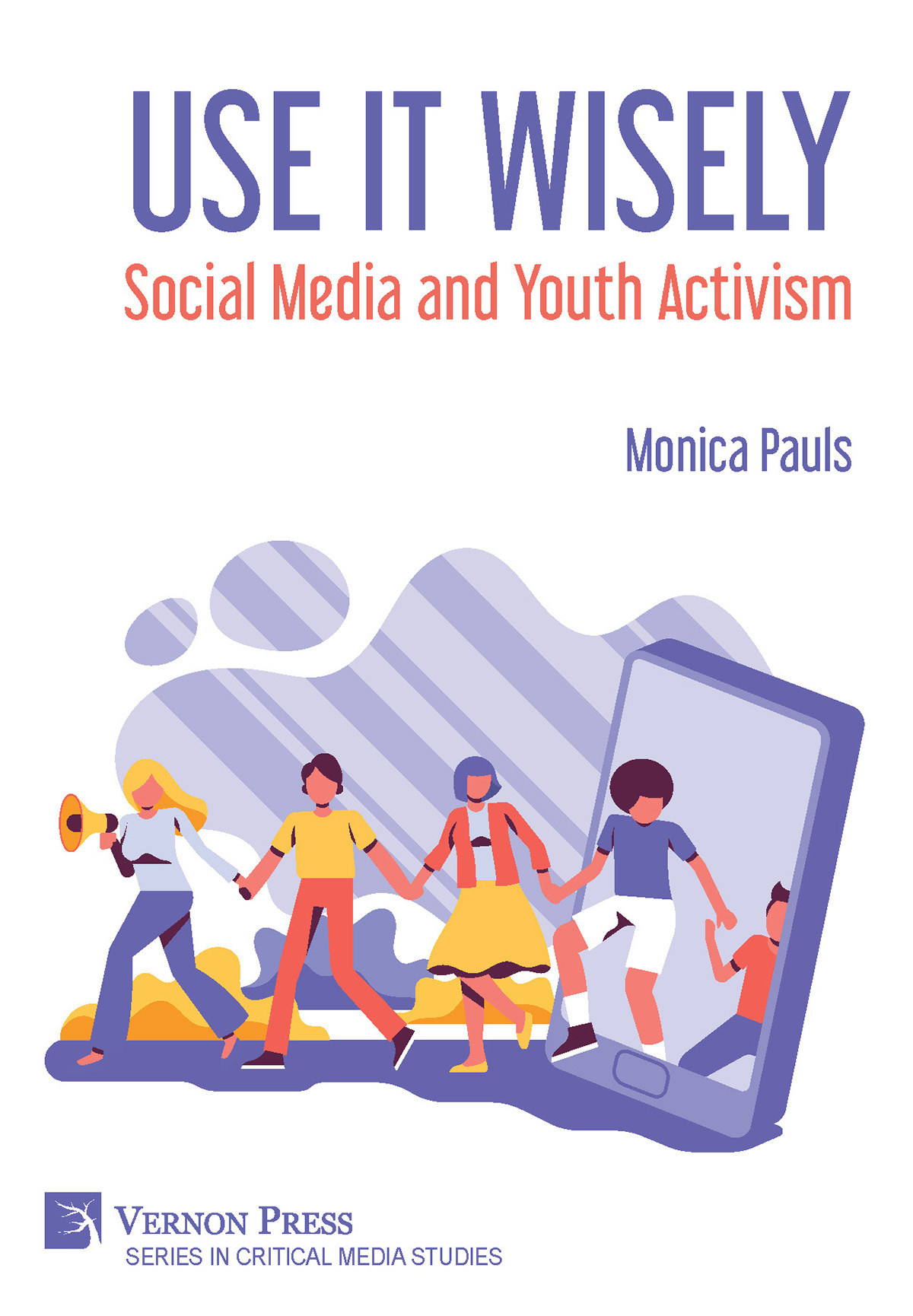
Social Media and Youth Activism
By: Monica Pauls (Mount Royal University)
Young people’s lives are increasingly shaped by digital media, yet public and academic debates about youth, social media and well-being are often dominated by fear-based narratives that frame online spaces as inherently harmful. Against a backdrop of rising concerns about youth mental health and widespread anxieties about social media use, this book offers a critical and timely intervention into how we understand young people’s political and civic engagement in the digital age. Drawing on in-depth interviews with youth activists involved in the international climate change movement and the American gun control movement, alongside analysis of their social media practices, the book challenges binary distinctions between online and real-world activism. Rather than treating digital participation as superficial or ineffective, it foregrounds young people’s own perspectives on activism, demonstrating how digital platforms function as meaningful spaces for connection, organizing and political expression. Situated at the intersection of youth studies, sociology, media studies and political engagement, the book builds on and extends existing literature on digital activism by centring youth voices and lived experience. It offers a counter-narrative to the persistent “slacktivism” critique, arguing that such framings not only misunderstand contemporary activism but risk delegitimizing young people’s contributions to civic life. Written in an accessible style while grounded in rigorous social research, this book will be of interest to scholars, post-secondary students and practitioners working in education, youth work, child and youth care, social services and community organizing. It is suitable for classroom adoption, scholarly reference and professional reflection, and provides valuable insights for anyone seeking to better understand how young people are reshaping political participation in a digitally networked world.
Expressions of Afrikan Indigenous Self-Determination
Edited by: Ping-Ann Addo (University of Massachusetts Boston), Diana J. Fox (Bridgewater State University), and Nana Barouda Lubafu Isieni (Cynthia Ellis-Topsey) (Ambassador at Large, Garifuna Nation)
‘The Spirit of Marronage: Expressions of Afrikan Indigenous Self-Determination’ chronicles the rise of the United Maroon Indigenous Peoples (UMIP), a global movement rooted in the spiritual and political legacies of Afrikan-descended Indigenous communities. Interweaving scholarly discussions, critical personal narrative, poetry, visual art, and Indigenous curricula, the book explores sovereignty through land-based relations, communal governance, and sacred practices. It documents pivotal Maroon gatherings and outlines UMIP’s six founding pillars: Kpaale (Diasporic Citizenship and Spirituality), Mbongi (Learning Together), Uhuru (Freedom and Reparations), Gayap (Working for Common Cause), Ujima (Collective Responsibility), and Livity (Living Maroon Values). Serving as both an archive for Maroons and a guide for Indigenous Peoples reclaiming culture, it calls for shifts in academic engagement toward authentic allyship—centering Indigenous knowledges to transform relationships from transactional to reciprocal, and analyses from removed to restorative. A vital resource for educators, researchers, and activists pursuing ecological and social justice.
Bridging Innovation and Human Dignity in Remote and Hybrid Workspaces
Edited by: Leigh Maxwell (Edgewood University)
In a world permanently changed by the COVID-19 pandemic, 'Reimagining Work' offers a timely and urgent exploration of how work is being reshaped—and how it should be. This interdisciplinary volume brings together scholars and practitioners from communication, leadership, education, psychology, and organizational development to confront the challenges and possibilities of the evolving workplace. More than a reflection on remote and hybrid trends, this book is a call to rethink foundational questions: How do we honor human dignity in technologically mediated environments? What leadership strategies are needed to navigate generational dynamics, digital fatigue, and rapid innovation? How do communication technologies both enable and constrain productivity, connection, and inclusion? With historical depth and forward-looking insight, the contributors examine four central themes: (1) the theoretical and historical underpinnings of communication in digital workspaces; (2) the unique strengths and tensions of multigenerational teams; (3) the influence of communication technology on collaboration and performance; and (4) the ethical responsibilities of leaders in shaping a future of work that is both innovative and humane. At its core, 'Reimagining Work' centers the human experience. It argues that while AI and digital platforms are vital, they must serve—not replace—empathy, agency, and community. Leaders and organizations must design systems that are not only efficient and adaptable but also inclusive, equitable, and responsive to diverse needs. Whether you are an academic, a manager, a student, or a policymaker, this volume equips you with insights and frameworks to actively shape a future of work where technological advancement and human flourishing go hand in hand.
The conditions, construction and consequences of racist public discourse within a racialized social system
By: Monetta Bailey (Ambrose University)
This book investigates the potential of racist public discourse to harm racialized individuals. In tackling this, this book uses multiple theoretical frameworks and data sources to highlight the need to pay attention to how we regulate racist public discourse. The first theoretical framework, Critical Race Theory, provides the foundation to look at the ways in which racist ideologies are the bedrock of post-colonial society, which created the conditions for racist public discourse. The second framework, Sociology of Knowledge, serves as a methodological framework to demonstrate how racialized knowledge is gained and transmitted to allow for the construction of racist discourse. By combining these two frameworks to investigate the consequences of racist public discourse, this book presents theoretical and empirical evidence to suggest the need to rethink the definition of harm as it pertains to racist public discourse. This topic is important given the heightened public discourse around race in social and political arenas where, increasingly, individual rights to freedom of expression are seen as being more fundamental than the impact of language upon marginalized groups. My hope is to add to the growing body of work that sheds light on the impact of harmful public rhetoric, to bring awareness of the harm caused, and highlight the need to regulate hateful racist speech.
By: Kamila Midor
How do people put into words the experience of losing someone they love? This book offers a systematic, cross-cultural linguistic analysis of how loss and grief are conceptualized in American and Polish contexts, revealing both shared human patterns and culturally specific ways of expressing and processing bereavement. Drawing on qualitative data from nearly eighty participants who had lost a loved one up to five years before participating in the study, the study examines the metaphors and conceptual blends through which individuals articulate their experiences of grief. Using the frameworks of conceptual metaphor theory and conceptual integration theory, the book identifies recurrent conceptual structures—such as absence, emptiness, pain, inanimate physical object, and journey—that speakers draw on to make sense of profound emotional disruption. While many of these schemas appear across both cultural groups, the analysis reveals important differences in their subtypes, linguistic realizations, and cultural meanings. Notably, some patterns challenge the dominant view of grief as exclusively negative, including personifications such as grief as a guest in American narratives and grief as a teacher in the Polish data. The book fills a significant interdisciplinary gap between linguistic research on metaphor and psychological scholarship on grief. It is the first work to develop empirically grounded conceptual models of loss and grief for American and Polish speakers based on qualitative linguistic data, offering a novel, culturally sensitive perspective on bereavement. Accessible yet theoretically rigorous, the book will be valuable as a research reference, a methodological model for qualitative metaphor analysis, and a resource for classroom use. It will appeal to scholars and students in cognitive linguistics, cultural studies, psycholinguistics, and cross-cultural communication, as well as to psychologists, therapists, counselors, social workers, and others working professionally with grief and loss.
An exercise in post-nation-state worlding
By: Madina Tlostanova (Linköping University, Sweden)
The book is an open-ended, meta-critical reflection on the discrepancy between the nation-state as an institution and contemporary and future (geo)political, social, enviro-climatic, technological and onto-epistemic challenges, written primarily from the position of the systematically excluded from the identification frameworks of the nation-state. Epistemically, the work stems from the decolonial and indigenous critique of coloniality of knowledge and from feminist skepticism towards objectivist, rationalist thinking modes. The author invites the readers to imagine other possible ways of political organization that would contribute to extending life on Earth, and the paths to their implementation. Without aiming at an exhaustive overview of the existing opinions on this vast topic or offering a single correct recipe for the emerging post-state political development, the book experiments instead with various tools, stimulating the readers to relearn how to imagine politically. The established methods, such as thinking together and arguing with authors from different areas and disciplines - from postcolonial studies, decolonial feminist positions to indigenous and libertarian anarchist stances, from critical environmental humanities to techno-fix pseudo-solutions and neo-imperial geopolitical accounts, are intertwined with engaging conversations with political/social/cultural activists, artists and thinkers and with experimental speculative fiction using creative writing as a mode of inquiry. Through its co-creative interactive style, this trans- and post-disciplinary work invites the audience to engage in praxis beyond the actual reading of the book. The book can be used in undergraduate and graduate elective courses in migration studies, critical security studies, human geography, decolonial and postcolonial studies, environmental humanities. It will be of interest to social, political and cultural activists, artists and writers and to broader audiences concerned with the question of whether and how it is possible to live politically beyond the nation-state, without sliding into (neo)imperial, totalitarian or corporate specters.
Martyrs, Narratives and Social Change in 20th Century Latin America
Edited by: Marisol Lopez-Menendez (Universidad Iberoamericana-Mexico City, Instituto Nacional de Antropologia e Historia-DEH, México)
In a century stained by revolution, dictatorship, and neoliberal violence, ordinary men and women became extraordinary witnesses—dying so that others might live free. From the bullet-riddled Cristero battlefields of Mexico to the bloodied streets where Óscar Romero fell, from Chico Mendes’s Amazonian stand to the unmarked graves of Chile’s forgotten priests and the deadly migrant trails of today’s Via Crucis—this collection rewrites the meaning of martyrdom for our time. Edited by Marisol Lopez-Menendez, 'Dying for the Dawn' brings together leading scholars to reveal how martyrial stories are not relics of the past but living weapons: shaping politics, igniting social movements, redefining gender and memory, and challenging the very border between faith and resistance. Here you’ll meet worker-martyrs, children saints, environmental prophets, disappeared priests, and the “neo-liberal martyrs” dying at the hands of borders and cartels—figures whose deaths still fuel protests, pilgrimages, and demands for justice across Latin America and its diaspora. Blending riveting history, sharp sociology, and unflinching cultural analysis, this is the book that finally connects the dots between ancient sacrifice and today’s struggles for human rights, migration justice, and democratic dignity. Perfect for readers of liberation theology, Latin American history, religious studies, and anyone who believes that courage can outlast bullets.